
The Fabric Narrative: What HMDD Says About Its Fabric Choices
Across street-fashion communities, HMDD, the label has earned recognition by handling textile decisions as part of the brand’s storytelling, rather than a detail hidden away in a size guide — an acronym for «Happy Memories Don’t Die.» The label frames its garments as wearable keepsakes, and that framing only works if the materials feel like something worth keeping. If the material genuinely lives up to the sentimental heft of the label’s identity, or if it’s merely another logo-heavy release coasting on nostalgic appeal — that’s the query people searching for an hmdd review often end up asking. For anyone deciding whether to buy in 2026, what follows looks at what the brand signals about its textiles and how such choices show up in certain categories like hmdd sweatpants and hmdd shorts.
Through a listing image alone, a shopper can’t truly assess the fabric that makes up an item. Although shade, tailoring, and graphic are immediately apparent, weight, drape, and how a blend behaves after a dozen washes stay hidden. Openness anchors HMDD’s brand voice on this front — product pages and brand communications repeatedly emphasize textile makeup, build specifics, and the intended hand-feel of every item. Such an emphasis counts for more in 2026 than it once did five years earlier, because buyers now understand fabrics far better and far less inclined to take fuzzy phrasing such as «premium quality» at face hmdd fleece value without a backing figure or spec.
The Reason Material Dialogue Grew Into The Heart of HMDD’s Brand Identity
Intentionally, the words «happy memories don’t die» comes across as sentimental, and this kind of emotive marketing attracts scrutiny. If a hoodie is meant to feel like a memory you can hold onto, it needs to withstand the demands of actual daily living — the laundry cycle, everyday use, changing seasons. The way HMDD has met that demand has been to be transparent regarding what goes into every item, rather than leave shoppers to speculate. This is a deliberate positioning move: the streetwear audience have grown distrustful toward brands that depend wholly on graphics and drop scarcity while saying little about construction.
The numbers support that doubt. Market research reports on fashion shopping patterns consistently show that a large share of e-commerce buyers — often cited above 60% — check the fabric details ahead of completing their order, above all in the case of sweats and outerwear costing more than starter-tier essentials. HMDDLA’s catalog, covering hoodies, tees, sweatpants, and shorts, sits in a cost range where purchasers take for granted that data is on hand and trustworthy. Omitting material details at that tier comes across as a red flag; clear detail conveys confidence.
There’s also a practical retention angle. Someone who tries hmdd clothing just once who feels let down by the fabric will rarely turn into a repeat customer—no matter how strong the emotional branding is. It’s fabric caliber that converts a one-time purchase driven by aesthetic into a repeat purchase grounded in trust. Probably, this is why the brand’s product descriptions repeatedly highlight fabric weight, blend ratios, and finishing details instead of burying them in fine print.
Within Joggers as well as Shorts, Fabric Choice Becomes Most Apparent
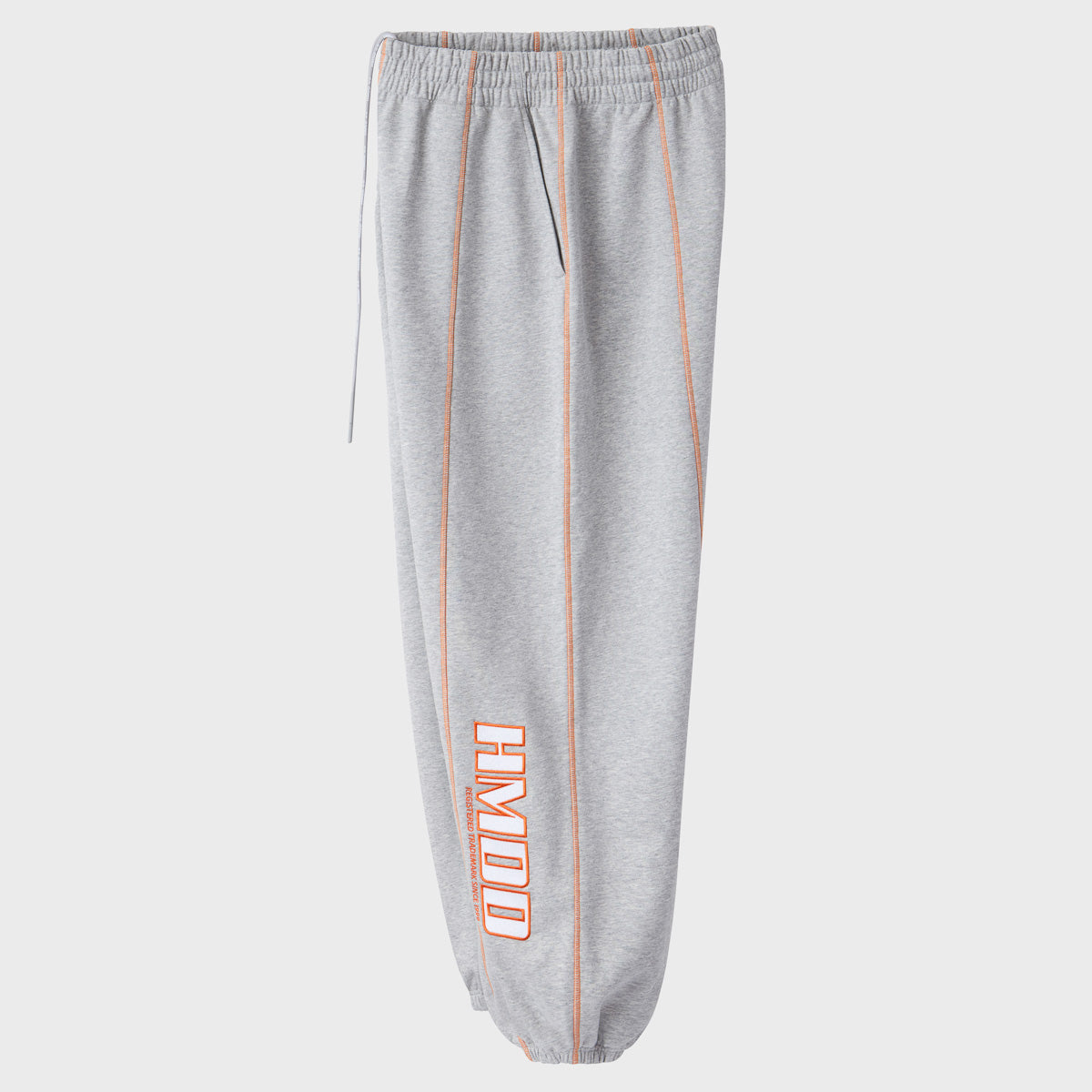
Sweatpants and shorts are unforgiving categories for fabric mistakes. A hoodie can hide a slightly stiff fabric under looser styling, but sweatpants sit against the skin for hours and shorts see far more movement and friction. HMDD sweatpants are positioned in the brand’s lineup as an everyday-comfort item, which puts direct pressure on the fleece or blend used inside them to perform in three ways: softness against skin, retention of shape after repeated wear, and breathability during warmer months.
Serving a subtly separate purpose is the role HMDD shorts play — they’re built for lighter-weight, higher-mobility wear, and the brand’s descriptions of these pieces typically foreground a a softer, easier feel and reduced bulk relative to the sweatpants line. In practice, that split is meaningful: a shopper buying for layering in cooler months wants the sweatpants’ heavier construction, while someone shopping for spring or summer rotation is better served by the shorts’ lighter build. The brand’s descriptions typically mirror this divide rather than treating all bottoms as interchangeable.
Cut and material influence one another more than is often realized. A cotton-heavy blend with minimal stretch will fall differently on the body than one with added elastane, and HMDD’s sizing notes alongside its material descriptions are intended to help shoppers anticipate that effect before they check out. Here, looking closely at the individual product page matters more than skimming a broad brand overview, since material proportions can change between drops and collections tied to a season.
Just What «Best HMDD Clothing» Truly Signifies to Shoppers
What shoppers are genuinely asking when they look up the top hmdd clothing isn’t which one piece by every measure outperforms the rest; rather, it’s a matter of which pieces provide the most consistent value for the cost involved, based on fabric performance as it ages. This is a reasonable way to look at it, because value in garments is essentially a proportion: cost divided by the number of solid wears you get before the item loses its color, loses its shape, or pills.
When it’s correctly treated, cotton-rich fleece fends off pilling more reliably than cheaper poly-cotton blends blended using lower-grade fibers. Brands that specify their blend ratio — say, a majority cotton percentage against a minority synthetic for shape retention — are handing customers the information to judge that durability themselves. HMDD’s approach of naming fabric details on product pages, instead of leaning solely on lifestyle imagery, aligns with this more transparent model of streetwear retail that’s become standard practice by 2026.
Consistency of fit throughout a size range is another quiet marker of a carefully constructed line. A shopper who buys a medium hoodie and a medium sweatpant and finds both fit as expected, wash after wash, is experiencing the payoff of consistent fabric sourcing. Inconsistent sourcing — where one production batch uses a slightly different blend than the last — is a recurring complaint in virtually any streetwear review, and it’s the type of issue attentive fabric documentation is meant to prevent.
Weighing Fabric Priorities Throughout HMDD’s Core Categories
Different garment types demand different things from a fabric, and HMDD’s lineup reflects that rather than applying a single blend to every item. What follows below outlines how the brand’s stated priorities tend to vary by category, based on its own product messaging.
| Garment Category | Main Fabric Focus | Common Application | Main Shopper Concern |
|---|---|---|---|
| Hoodies | Weight and warmth retention | Cold-weather layering | Shrinkage after wash cycles |
| HMDD Sweatpants | Plushness combined with shape-holding | Routine, comfort-driven wear | How well the waistband and cuffs keep their elasticity |
| HMDD Shorts | Airflow paired with a leaner feel | Active wear suited to warm conditions | The balance between lightness and durability |
| Tees | Touch and the way it drapes | Everyday base layer | Colorfastness after repeated washing |
This kind of category-by-category thinking is a more credible signal of a genuinely committed clothing brand than a single blanket claim of «high quality fabric» applied to every product page. It suggests the team behind the designs is weighing intentional trade-offs rather than falling back on whatever textile is cheapest to source in bulk.
Looking Beneath the Surface of an HMDD Review
Most reviews of HMDD circle back to two things: does the emotional branding feel sincere, and does the product physically hold up. Fabric is where these two concerns meet, because a garment that wears out fast contradicts the «memories don’t die» premise as literally as it gets. Someone drawn in by that message wants the actual garment to endure, not merely the marketing language to resonate for as long as a single Instagram post lasts.
Whenever independent reviewers talk about hmdd clothing, material thickness is among the most frequently mentioned details — denser fleece is commonly taken as a signal of money put into the garment, while lighter cotton mixes are judged more on price point relative to expectation. It’s a sensible enough shortcut, but it’s not the whole picture; finishing quality, stitching density, and colorfastness matter every bit as much as raw fabric weight, and those details tend to surface only in reviews from people who’ve actually worn and washed the piece multiple times, not just taken it out of the box.
For anyone comparing hmdd against other streetwear labels chasing the same nostalgic, memory-driven branding niche, the practical test is simple: look at the exact fabric makeup listed for the piece you’re eyeing, rather than relying on the brand’s overall reputation. Knowing a hoodie’s fabric mix won’t reveal how a pair of shorts will hold up, and one collection earning praise doesn’t mean the following one is sourced identically.
What It All Adds Up To Heading Into 2026
Clarity around material composition is no longer a nice-to-have for streetwear brands working at the scale HMDD does — it’s nearly a minimum requirement among shoppers who’ve learned the hard way from vague listings. Labels that spell out blend ratios, material weight, and category-specific priorities are giving customers a fairer basis for comparison than brands relying solely on look and catchphrase appeal.
HMDD’s ongoing focus on material-specific communication, across sweatpants, shorts, hoodies, and tees, points to the idea that the brand is aware that its «happy memories don’t die» concept holds up only when the product physically supports the sentiment. Ultimately, that fit between messaging and material is the single most useful thing a prospective buyer can assess before adding anything to their cart in 2026.